
- Blog
22/04/2026
Bringing Reading Outdoors: Practical Spring Ideas for Early Years and Primary
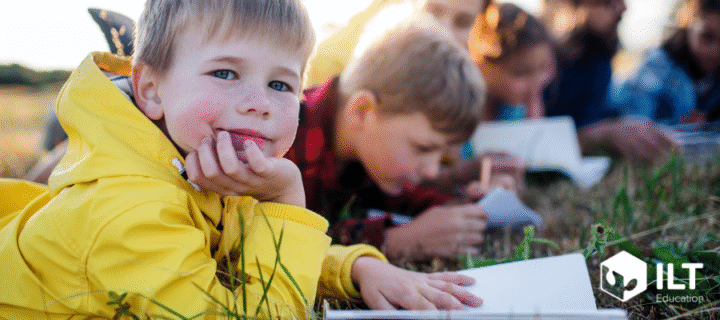
Spring is the perfect season to bring reading outdoors. As the days get brighter and children spend more time exploring nature, outdoor spaces become rich environments for stories, language, and early literacy.
For early years and primary pupils, reading outside can make books feel more active, more relevant, and more memorable.
Why outdoor reading matters
Reading outdoors supports listening, attention, vocabulary, and comprehension. It also gives children the chance to move, talk, and respond in ways that feel natural and engaging.
The outdoor environment also adds something special to reading. Children can hear birds, feel the breeze, and notice spring flowers or insects while enjoying a story. These sensory experiences help bring language to life and give children more to talk about, describe, and remember.
Easy Ways to Begin
You don’t need a permanent outdoor classroom to get started. A few cushions, a blanket, or a sheltered corner can be enough to create a welcoming reading space.
Choose texts that link naturally to the season. Spring stories about growth, animals, gardens, weather, and journeys work especially well. Non-fiction books about plants or minibeasts can also be powerful choices, particularly when children can compare the text with what they see outdoors.
Bring the wonders of the natural world into your setting with this free 'Nature' poster. It’s filled with QR codes that link to a hand-picked selection of Polylino books celebrating the outdoors. Just print, display, and scan to explore these stories with the children in your setting!
Ideas for activities outdoors
Listening Walks - After sharing a story, children can go outside and listen for sounds that match the mood or setting of the book. Then ask them to draw what they heard, talk about it with a partner, or use picture cards to sequence the story.
Create a Garden - Get pupils to write labels for plants, make signs for a pretend garden, or use chalk to draw characters and settings on the playground.
Nature Journal - Ask pupils to record what they see, hear, and feel, then use their observations to write sentences, captions, or descriptive paragraphs.
Create a Scene - Invite pupils to create a scene from a story using natural materials.
For more ideas, visit the materials section on Polylino to create lesson plans with pre-selected books.
Spring offers a perfect opportunity to refresh reading practice and connect it to the world outside. When children read outdoors, they do more than enjoy a story; they notice language, explore ideas, and begin to see reading as something that lives and grows all around them. Start exploring with your class today!