
- Blog
30/10/2026
How ILT Education UK Tools Help Teaching Assistants Save Time and Support Reading
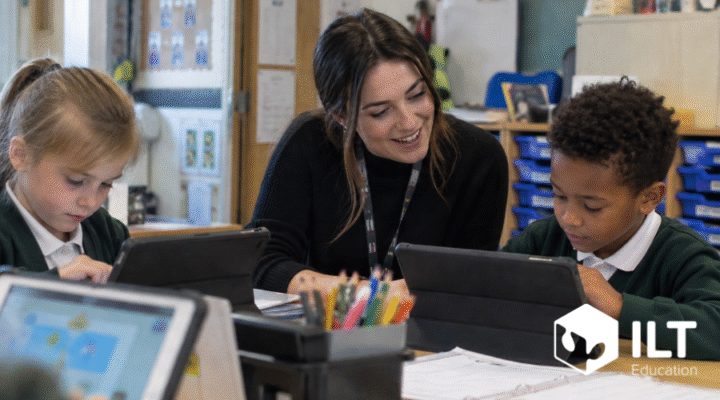
Teaching assistants are central to primary literacy, from running phonics catch-up sessions and leading guided reading to delivering interventions that help keep readers on track. As the autumn term moves on and schools look to consolidate early gains, having the right tools and resources can help make this work more manageable and effective.
In schools using ILT Education UK’s programs, teaching assistants increasingly use structured digital resources to reduce preparation, simplify assessment, and keep a clear record of progress. Here’s how that can look in practice without adding to workload.
Where teaching assistants lose time, and how digital tools help
Most teaching assistants will recognise these daily challenges:
- Prep and differentiation: creating or adapting texts, word lists, and tasks for different groups; adapting for EAL and SEND.
- Delivery and engagement: keeping small groups on task and providing immediate feedback.
- Feedback and marking: logging scores, noting errors, and updating intervention records after every session.
- Communication with teachers and parents: turning session notes into clear updates on progress and next steps.
Well‑chosen literacy tools can help in each area by offering:
- Ready‑made, sequential activities so teaching assistants don’t need to build schemes of work from scratch.
- Engaging, structured tasks that keep pupils focused and provide instant corrective feedback.
- Automatic marking and progress views that reduce manual data entry and highlight who needs what next.
- Simple reports that TAs can turn into clear, actionable updates for class teachers and parents.
The goal is to empower teaching assistants to support learning effectively and remain responsive to the needs of their pupils.
Making it work in your school
If you’re a literacy lead, SENDCo, or SLT member looking to support your teaching assistants, these steps can help:
- Start with one routine and build from there. For example, daily phonics or twice-weekly decoding interventions.
- Give role‑specific micro‑training. A 15–20 minute session focused on a teaching assistant’s top two tasks (assigning activities, reading progress views) is often more useful than a long whole‑staff demo.
- Agree a simple progress log. This could include a weekly, action-focused update for the class teacher and a monthly snapshot for parents highlighting one skill secured and one next step.
- Review at the end of the term. Ask what's saving time, what's improving reading outcomes and what could be adapted or removed.
When teaching assistants have the flexibility to use technology in ways that work for them and their pupils, it can help reduce workload and make their roles more rewarding.
Next steps
Below, you'll find a range of our tools used in UK classrooms every day to support different aspects of literacy development. Discover how our programs could support literacy in your classroom with a free trial. Explore the resources, try them with your pupils and see the benefits for yourself.
For word recognition: Nessy provides systematic decoding and language-building practice, helping pupils build reading fluency and confidence in spelling.
For fluency and consolidation: Aski Raski offers engaging practice and repetition that strengthens decoding skills, particularly valuable for older pupils who need additional support to develop their reading skills and confidence.
For vocabulary and comprehension: Giglets offers access to a wide range of culturally rich texts and interactive resources that deepen understanding.
For oral language: Polylino supports children with high-quality multilingual stories, ensuring that every child, including those learning English as an additional language, can access and enjoy literature.
Discover how our programs could support literacy in your school.
With free trials available, you can explore our resources, try them with your pupils and see how they could fit into your existing literacy provision.
If you'd like to discuss your school's literacy priorities or find out which resources might be most suitable for your pupils, speak to our team today.
More Blog Posts