- Blog
24/05/2023
Illustration at ILT Education UK
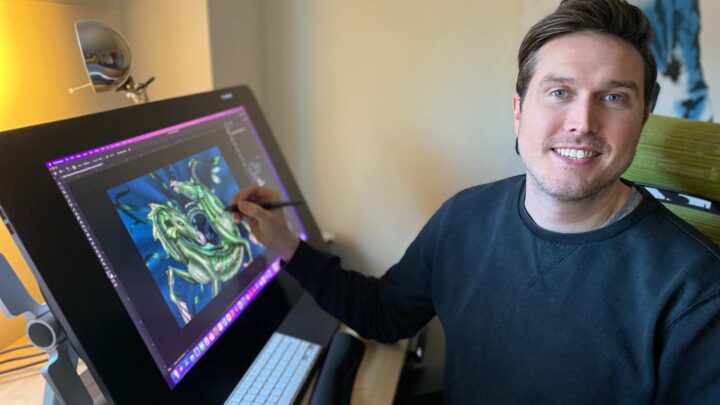
When someone first looks at Giglets, one of the things that jumps out to them is the vibrant illustration and imagery throughout the books. A number of illustrators around the world are involved in producing this colourful library and a huge amount is done and managed by ILT Education UK's Lead Artist, Graeme Nimmo.
After graduating from Glasgow School of Art, Graeme worked on animated feature films, as an animation lecturer in Thailand and as a freelance artist. It became apparent after a few months working with Giglets over ten years ago, that this was an ideal partnership and neither Graeme, nor Giglets, has ever looked back! Graeme lives with his new son Brodie, wife Emily and dog Pi and, other than all things arty, he loves reading, dog walking, kite surfing and trying to make his son laugh.
Seona MacRuary, Head of Product and Operations, caught up with Graeme to discuss the incredible illustrations that are among the most important features of Giglets texts.
SM: Can you tell me a bit about how you go about illustrating a Giglets text?
GN: After reading a text I’ll meet with the Content Team and discuss different aspects of the illustrations. We’ll consider time, place, setting, any props or clothing, and the characters to include. We think it’s important to have a real mix of characters in terms of age, gender and ethnicity as we want all children to be able to identify with characters from our books. I think the stories we have from all around the world can really help with that.
GN: I’ll then go on to research and development. It’s important that any props or clothing in an illustration are accurate for the time and place. For example, the correct clothing or type of horse and cart for a text set in Victorian times.
GN: The type of story and intended reading age influences the style of the artwork. We don’t have one set style and so it’s great to draw from different styles and keep it interesting and engaging for children. We’ll identify key scenes that will spark discussion in a classroom, those that are particularly impactful and dynamic and those that will help children understand and want to continue reading the text. I’ll start with rough sketches, clean up the line work, add colour and tone and it can take a few steps and quite a bit of time to get to the final image.
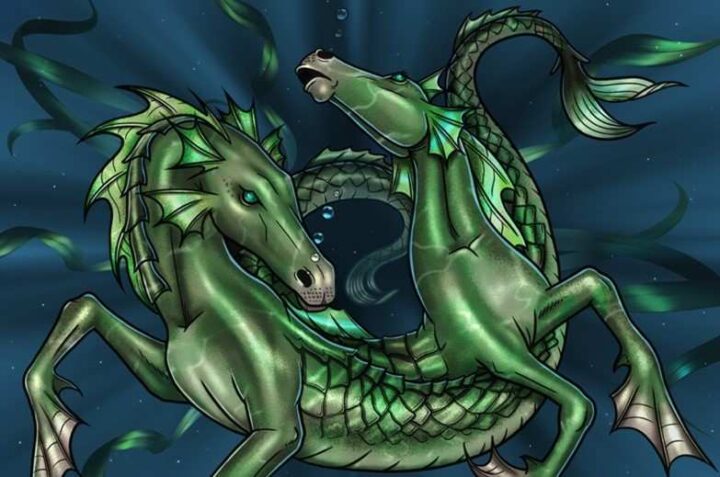
Here are some snapshots of the steps to create a new illustration for Laird Graham and the Kelpie:
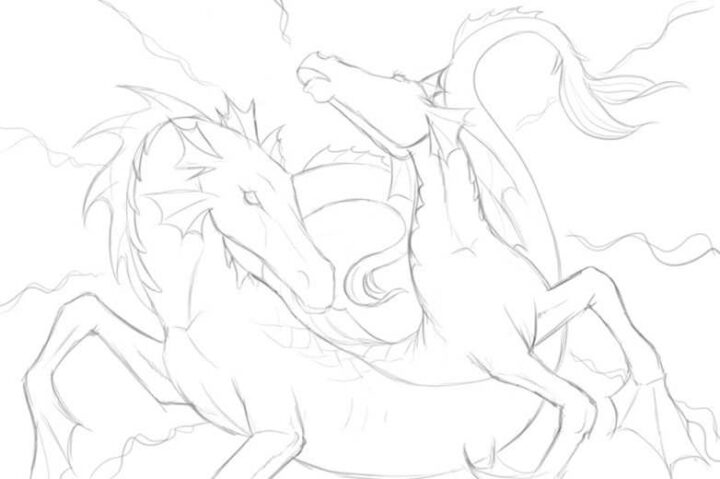
Step 1
Rough concept sketch to establish composition
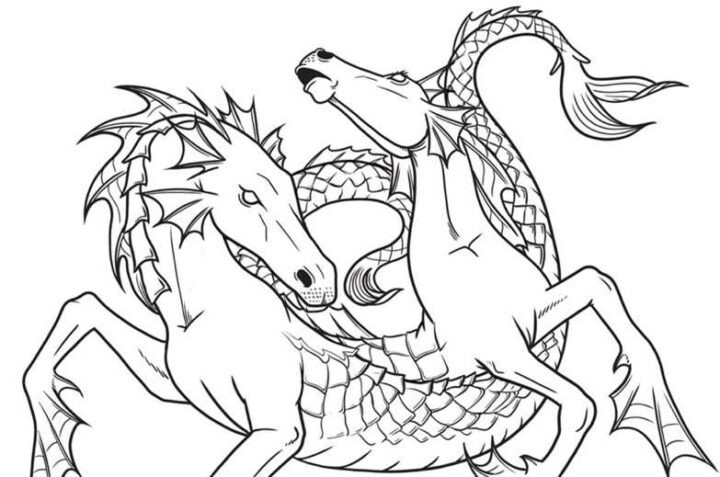
Step 2
Cleaning up of sketch lines
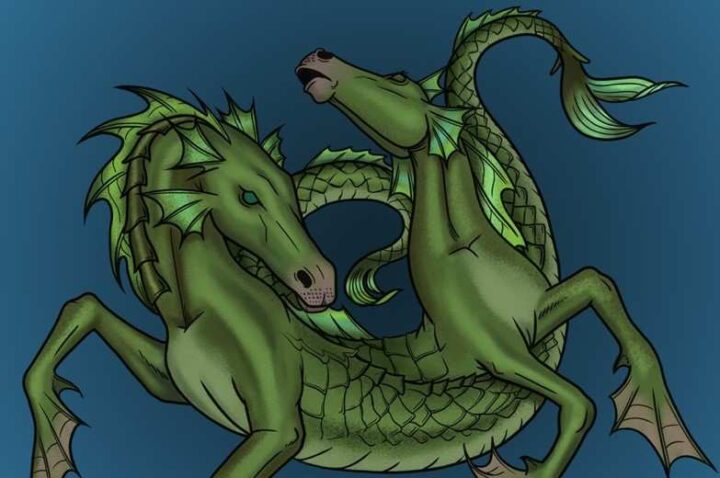
Step 3
Laying down flat colour with simplified tones, consideration given to the main light source
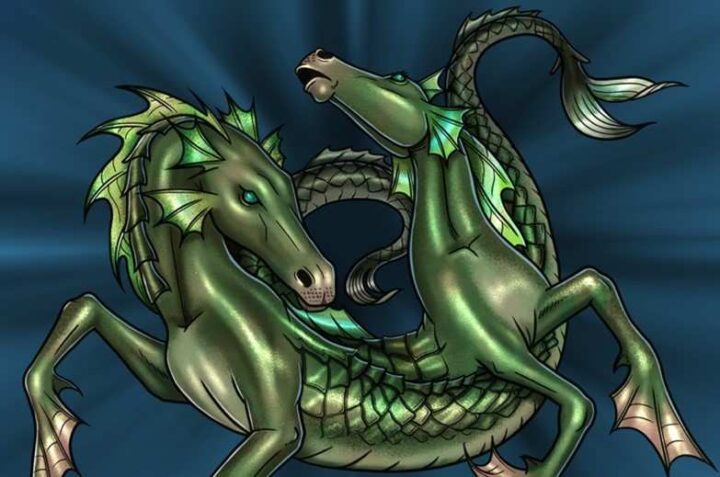
Step 4
Adding highlights, rim and bounce lights, consideration given to other light sources and more detail added
Step 5
Colour correction to add depth, more details added, water reflection gobos (go between optics) to replicate refracted light from the surface
SM: What is your favourite thing that you have worked on for Giglets? How do you imagine this being used in the classroom?
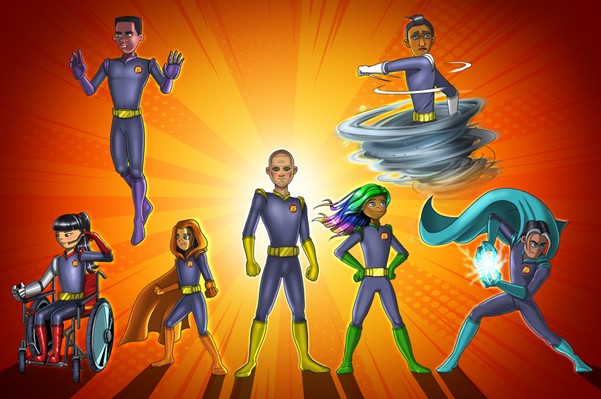
GN: I love some of the new fiction stories that we have on Giglets. It’s great trying to interpret other people’s vision for a text and I think often we can surprise each other a bit. I particularly like Puddle Dancer, What the Monsters Munch and Abby and the Alligator. I can imagine children, like my wee niece, dancing around to the Puddle Dancer music, copying the movements from the images and being inspired to make up her own rain dance! We’ve just finished a new comic book, superhero text, The Awesome Squad. Not only did I love doing the artwork, but I love that the characters are all still learning about their powers and refining their talents – like we all are!
GN: I know there is the old phrase of ‘not judging a book by its cover’, but I love that children use the covers to think about what a book will be about. They start to construct an idea, predict and make connections to the text. I hope that children are inspired by Giglets. I hope that they are inspired to read, to get into art and even music.
SM: Lots of children will admire the beautiful artwork in Giglets. What would your advice be to young aspiring artists?
GN: Keep going. Keep learning, keep evolving. Keep drawing and use every tool that you have. It’s important to try different mediums as you don’t necessarily know what will appeal to you. I believe that everyone has the capacity to create and be an artist.
GN: I think it’s important to take a break away from a piece of art and not to expect it all to be done in one sitting. It’s good to be in the zone but if things get difficult, stepping away and coming back with fresh eyes can help. Walking with my son and dog Pi can help me here!
GN: Growing up my inspiration was my dad. He is also an artist and so there were lots of pen and ink drawings of nature and animals around the house. He also made these incredible murals of children’s characters which must have been an impossible task to do on the bumpy wallpaper! I used to copy his work and I think this is an important step. It develops coordination and helps you develop your own style too.
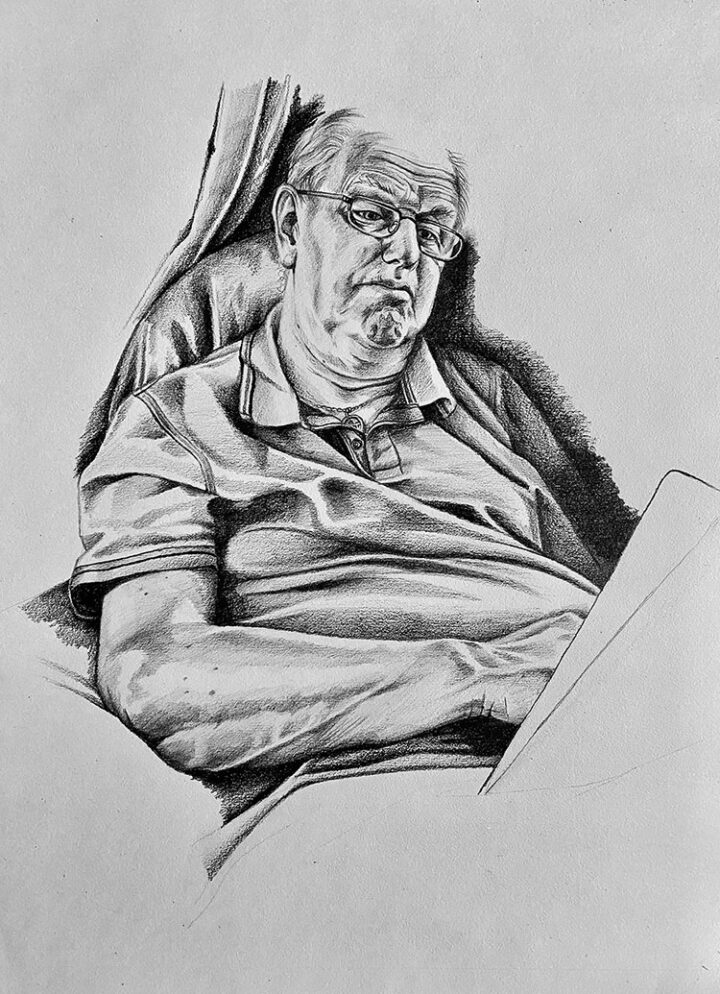
Pictured is a drawing Graeme did of his dad for his 70th birthday using charcoal and chalks.
Using Illustration in the Classroom
Giglets and teachers understand that using illustration when reading can help children in a number of ways. It can help them visualise (and comprehend) a story, build predictions about what might and what might not happen in a text and it also helps children make connections between themselves, the text and the wider world. All of this contributes to a better understanding and more engaging reading experience for a child and that’s so important in those early reading years.
Related news